
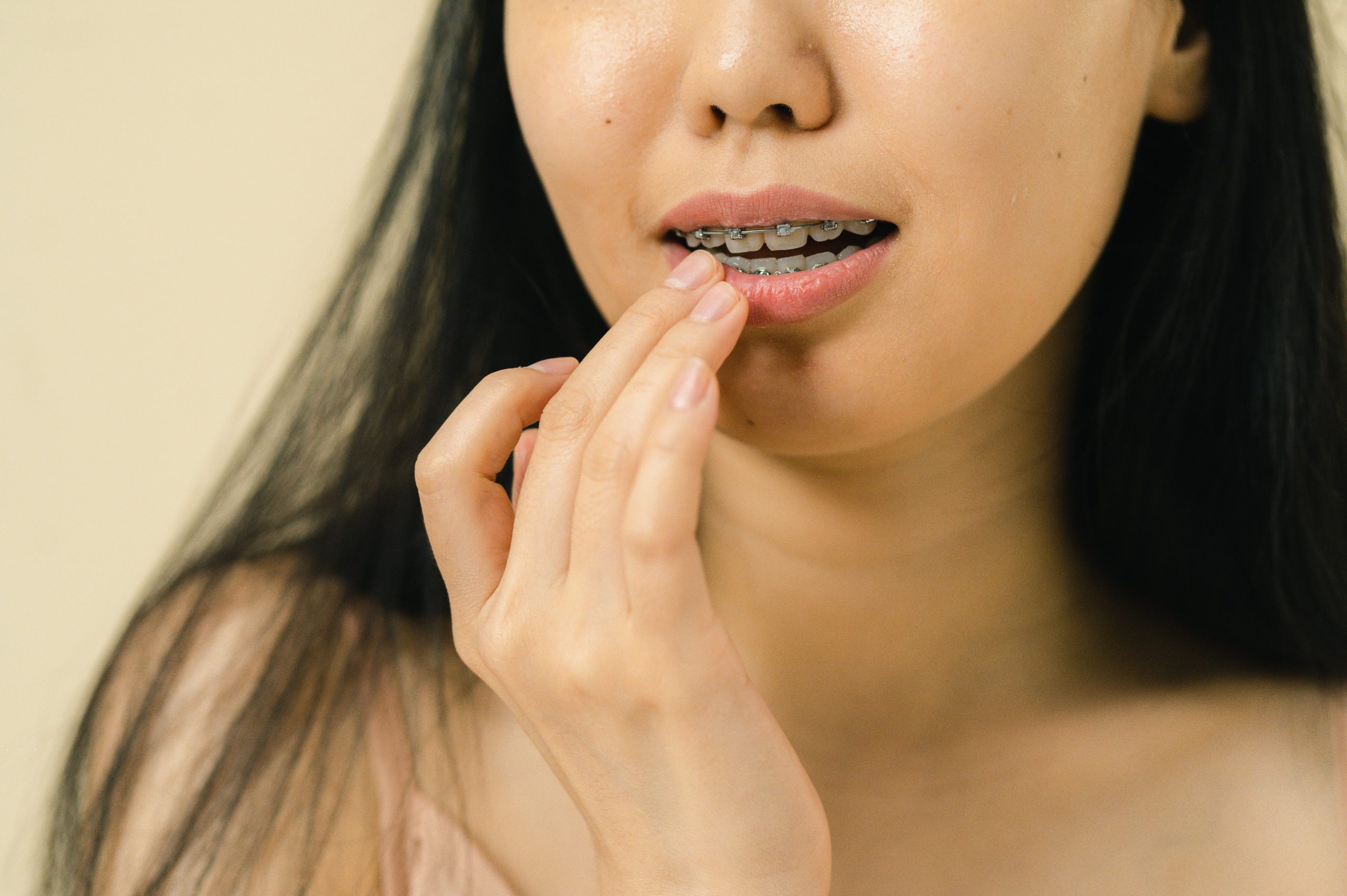
What to Expect with Traditional Braces: A Comprehensive Guide
Embarking on a journey with traditional braces can be both exciting and daunting. Whether you’re a teenager or an adult considering orthodontic treatment, knowing what to expect can help ease any anxieties and prepare you for the road ahead. In this guide, we’ll explore everything you need to know about getting and living with braces.
Getting Braces:
The first step on your braces journey is an initial consultation with an orthodontist. During this appointment, the orthodontist will examine your teeth, take X-rays and impressions, and discuss treatment options with you. They’ll explain the different types of braces available, such as traditional metal braces, ceramic braces, or clear aligners, and help you choose the best option for your needs and preferences.
Once you’ve decided on a treatment plan, it’s time to get your braces fitted. This process typically takes one to two hours and is painless. The orthodontist will clean and dry your teeth before attaching the brackets to each tooth using a special adhesive. They’ll then thread the archwire through the brackets and secure it in place with elastic bands. You may experience some discomfort or pressure during this process, but it’s usually mild and short-lived.
Adjustment Period:
After getting braces, you’ll need some time to adjust to the new sensations in your mouth. It’s normal to experience some soreness or discomfort for the first few days as your teeth begin to shift into their new positions. Over-the-counter pain relievers and soft foods can help alleviate any discomfort during this adjustment period.
Dental Hygiene:
Maintaining good oral hygiene is crucial when you have braces. Food particles and plaque can easily get trapped in the brackets and wires, increasing your risk of cavities and gum disease. You’ll need to brush your teeth after every meal using a special orthodontic toothbrush and floss daily to remove any debris between your teeth and around the braces. Your orthodontist may also recommend using a water flosser or interdental brushes to supplement your oral hygiene routine.
Dietary Restrictions:
While you have braces, it’s essential to avoid certain foods that could damage or dislodge your brackets and wires. Hard, sticky, or chewy foods like popcorn, nuts, gum, and sticky candies should be avoided to prevent orthodontic emergencies. Instead, stick to soft foods that won’t put undue pressure on your braces, such as yogurt, mashed potatoes, pasta, and soup.
Regular Adjustments:
Throughout your treatment, you’ll need to visit your orthodontist regularly for adjustments. During these appointments, the orthodontist will tighten or replace the archwire, change the elastic bands, and make any necessary adjustments to ensure your treatment progresses as planned. These adjustments may cause some discomfort or pressure, but it’s a sign that your braces are working to straighten your teeth.
Brace Care Tips:
- Avoid foods that could damage your braces.
- Brush your teeth after every meal and floss daily.
- Attend all scheduled orthodontic appointments.
- Use orthodontic wax to alleviate any irritation from the brackets or wires.
- Wear any additional orthodontic appliances or rubber bands as prescribed by your orthodontist.
In conclusion, getting braces is a significant step towards achieving a straighter, healthier smile. While there may be some discomfort and adjustments along the way, the end result is well worth the effort. By knowing what to expect and following your orthodontist’s instructions, you can navigate your braces journey with confidence and emerge with a beautiful, confident smile.