
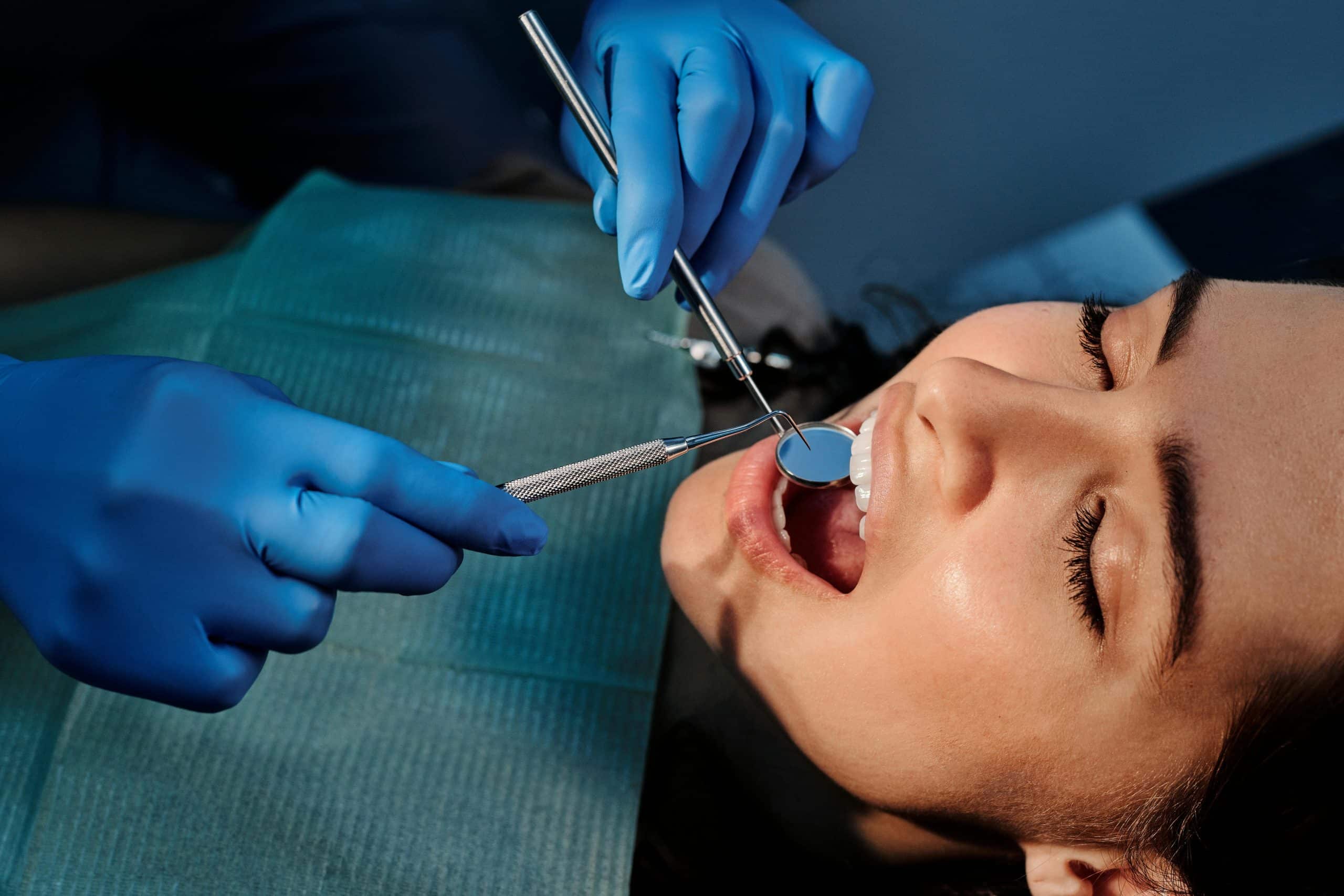
Dental health is vital for overall well-being, yet many misconceptions persist about how to maintain healthy teeth and gums. In this blog post, we’ll debunk some of the most common myths surrounding dental health to help you separate fact from fiction and make informed decisions about your oral care.
Myth 1: “Brushing Harder Means Cleaner Teeth”
Contrary to popular belief, brushing harder does not equate to cleaner teeth. In fact, aggressive brushing can damage tooth enamel and irritate the gums, leading to gum recession and tooth sensitivity. Instead, use a soft-bristled toothbrush and gentle, circular motions to effectively remove plaque and debris without harming your teeth and gums.
Myth 2: “If My Gums Don’t Bleed, They’re Healthy”
Gum bleeding during brushing or flossing is often seen as a sign of poor oral hygiene, but the absence of bleeding doesn’t necessarily mean your gums are healthy. Gum disease can manifest without noticeable symptoms in its early stages, making regular dental check-ups essential for detecting and treating gum disease before it progresses.
Myth 3: “Sugar is the Sole Cause of Cavities”
While sugar is a major contributor to tooth decay, it’s not the sole culprit. Cavities develop when bacteria in plaque feed on sugars and produce acids that erode tooth enamel. However, other factors such as poor oral hygiene, acidic foods and beverages, and genetic predisposition can also contribute to cavity formation. Maintaining good oral hygiene and limiting sugar intake are key to cavity prevention.
Myth 4: “I Don’t Have Tooth Pain, So I Don’t Need to See a Dentist”
Even if you’re not experiencing tooth pain, it’s still important to see your dentist regularly for preventive check-ups and cleanings. Dental problems like cavities, gum disease, and oral cancer can develop silently without causing pain or noticeable symptoms in their early stages. Routine dental visits allow your dentist to detect and address potential issues before they escalate into more serious problems.
Myth 5: “Whitening Toothpaste Can Instantly Whiten Teeth”
While whitening toothpaste can help remove surface stains and brighten your smile over time, it’s not a quick-fix solution for significantly discolored teeth. Professional teeth whitening treatments performed by a dentist are more effective at achieving noticeable and long-lasting results. Additionally, excessive use of whitening toothpaste can wear down tooth enamel and increase tooth sensitivity.
Myth 6: “Baby Teeth Aren’t Important Because They’ll Fall Out Anyway”
Baby teeth play a crucial role in a child’s development and oral health. They help children chew food properly, speak clearly, and maintain space for permanent teeth to erupt. Neglecting baby teeth can lead to problems like tooth decay, infection, and misalignment, which can affect the development of permanent teeth. Encouraging good oral hygiene habits and regular dental visits from an early age sets the foundation for a lifetime of healthy smiles.
Conclusion: Separate Fact from Fiction for Optimal Oral Health
By debunking common myths about dental health, we empower ourselves to make informed choices that support our oral well-being. Remember to brush and floss gently, prioritize regular dental check-ups, maintain a balanced diet, and seek professional advice when needed. With the right knowledge and habits, you can achieve and maintain a healthy smile for years to come.