
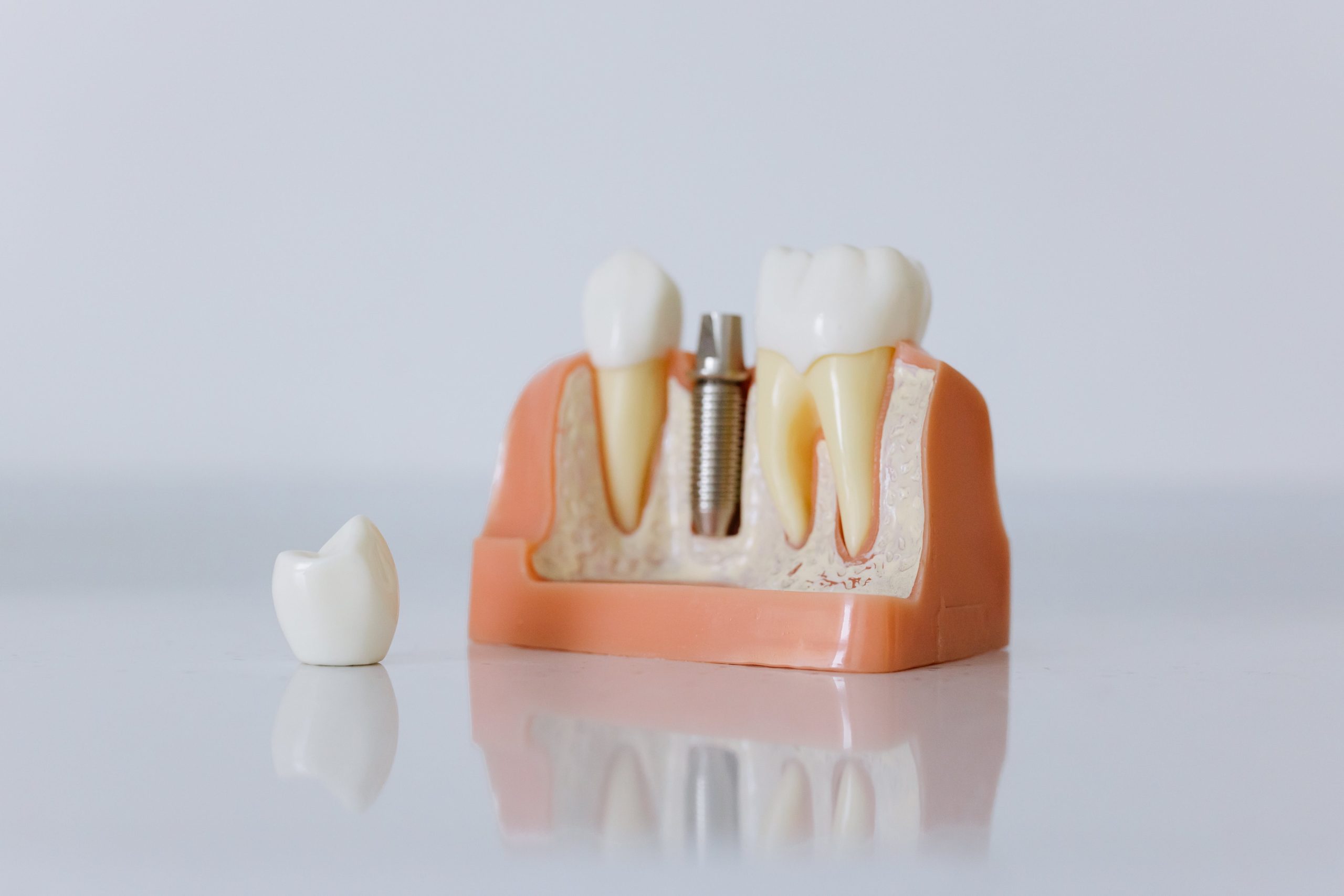
When it comes to restoring missing teeth, knowing how to navigate your options is important. Both Dentures and Implants can help restore functionality and confidence. However, knowing which choice is more suitable for you will help you to make an informed decision that works best.
1. Durability and Longevity:
- Dental Implants: Known for their exceptional durability, dental implants are designed to last a lifetime with proper care. The implant, made of titanium, fuses with the jawbone, providing a strong and stable foundation for a replacement tooth. While the exact life-span of your implants can vary depending on hygiene, lifestyle, bone health, proper placement and maintenance — most patients can expect to have their implants for more than 20-30 years. No other dental replacement option lasts as long.
- Dentures: While dentures are durable, they may require periodic adjustments and replacements over time due to wear and changes in the mouth’s structure. These changes can be attributed to bone resorption, natural aging, normal wear and tear, gum changes and changes in the alignment of the bite. With dentures, you can expect a replacement every 5-7 years due to these factors.
2. Natural Look and Feel:
- Dental Implants: Mimicking the appearance and function of natural teeth, dental implants provide a seamless and realistic look. They feel secure and comfortable, allowing individuals to chew and speak with confidence. However, depending on the extent of your missing teeth, and the length of time you were without a replacement — dental implants can take time to adjust. Most patients report that this adjustment period lasts a few months after receiving their dental implants.
- Dentures: Modern dentures are designed to look natural, but some users may experience occasional discomfort and difficulty in adapting to the removable nature of dentures. The extent of this discomfort can depend on a variety of reasons including the placement and changes to the structure of the bone and gums overtime. Denture adhesive may also be a factor that contributes to discomfort. Many patients discuss how the sensation and taste of their dental paste or adhesive can make them feel ill.
3. Maintenance and Care:
- Dental Implants: Maintenance is similar to natural teeth—regular brushing, flossing, and dental check-ups. Implants do not require special cleaning routines.
- Dentures: Dentures need to be removed for cleaning, and proper oral hygiene is crucial to prevent issues such as gum irritation and infections. Regular adjustments by a dentist may also be necessary.
3. Cost Considerations:
- Dental Implants: While initially more expensive, dental implants are considered a long-term investment. The durability and longevity often make them a cost-effective choice over time.
- Dentures: Dentures are generally more affordable upfront, but ongoing maintenance costs and the need for replacements may contribute to a higher overall cost.
4. Bone Health:
- Dental Implants: Implants stimulate the jawbone, preventing bone loss that commonly occurs when a tooth is missing. This helps maintain the natural structure of the face.
- Dentures: Dentures do not provide the same level of stimulation to the jawbone, and over time, bone loss can occur, leading to changes in facial appearance.
Ultimately, the choice between dental implants and dentures depends on individual circumstances, preferences, and budget considerations. Dental implants offer a permanent and natural solution, while dentures provide a more budget-friendly option with the flexibility of removal. Consulting with a dental professional can help determine the most suitable option based on your oral health, lifestyle, and long-term goals.