
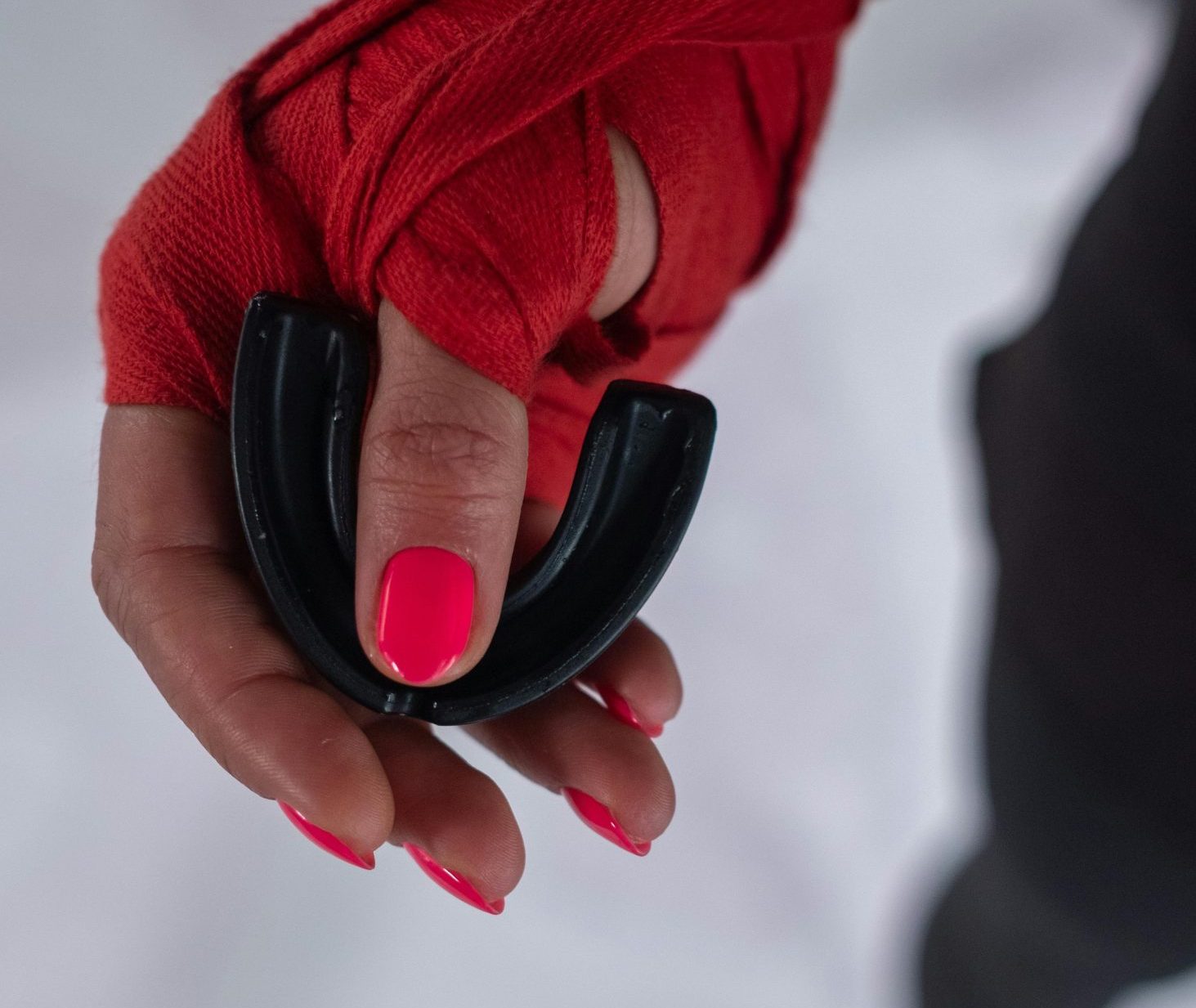
When Should You Wear a Mouthguard?
Mouthguards are protective devices designed to safeguard your teeth, gums, and jaw from injury. They are often associated with sports, but there are other scenarios in which wearing a mouthguard can be beneficial. In this blog post, we’ll explore when you should wear a mouthguard and the different types available to meet your needs.
1. During Contact Sports and Physical Activities
One of the most common reasons to wear a mouthguard is during contact sports and other physical activities. Whether you’re playing football, basketball, hockey, boxing, or even participating in martial arts, a mouthguard can protect your teeth and mouth from impacts and collisions. Even non-contact sports like gymnastics, skateboarding, and biking can pose a risk of dental injury, so wearing a mouthguard is a wise precaution.
2. If You Grind or Clench Your Teeth
Teeth grinding (bruxism) and clenching can cause significant damage to your teeth over time. A mouthguard, also known as a nightguard, can be worn while sleeping to cushion your teeth and prevent the grinding and clenching that can lead to tooth wear, fractures, and other dental issues. If you suspect you grind your teeth at night, consult with your dentist for proper diagnosis and a custom mouthguard.
3. If You Have Dental Implants or Other Restorations
If you have dental implants, crowns, bridges, or other dental restorations, a mouthguard can help protect these investments from damage. This is especially important if you grind your teeth or participate in contact sports.
4. To Prevent Sleep Apnea and Snoring
Mouthguards can also be used to treat sleep apnea and snoring. These specially designed oral appliances reposition the jaw and tongue to keep your airway open, improving breathing during sleep. If you or your partner have noticed signs of sleep apnea or snoring, talk to your dentist about whether an oral appliance might be a suitable treatment option.
5. If You Have Temporomandibular Joint (TMJ) Disorder
TMJ disorder can cause pain and discomfort in the jaw joint and surrounding muscles. Wearing a mouthguard can help alleviate pressure on the jaw joint and provide relief from symptoms. Your dentist can create a custom mouthguard designed to address your specific needs and minimize stress on the TMJ.
6. If You Have Orthodontic Braces
If you’re undergoing orthodontic treatment with braces, a mouthguard can provide additional protection for your teeth and gums, especially during sports and physical activities. A mouthguard can prevent damage to your braces and reduce the risk of injury to your mouth.
Types of Mouthguards
There are three main types of mouthguards available:
- Stock Mouthguards: These are pre-made and come in limited sizes. While affordable, they may not fit well and can be uncomfortable.
- Boil-and-Bite Mouthguards: These are made from thermoplastic material and can be softened in hot water to fit your mouth. They offer a better fit than stock mouthguards but may not be as precise as custom-made options.
- Custom Mouthguards: These are made by your dentist from a mold of your teeth and offer the best fit, comfort, and protection. They may be more expensive, but the investment is worth it for superior protection.
In conclusion, wearing a mouthguard in situations where your teeth, gums, and jaw are at risk of injury or damage is a smart choice. Consult with your dentist to determine which type of mouthguard is best suited to your needs and enjoy peace of mind knowing that you’re taking steps to protect your oral health.