
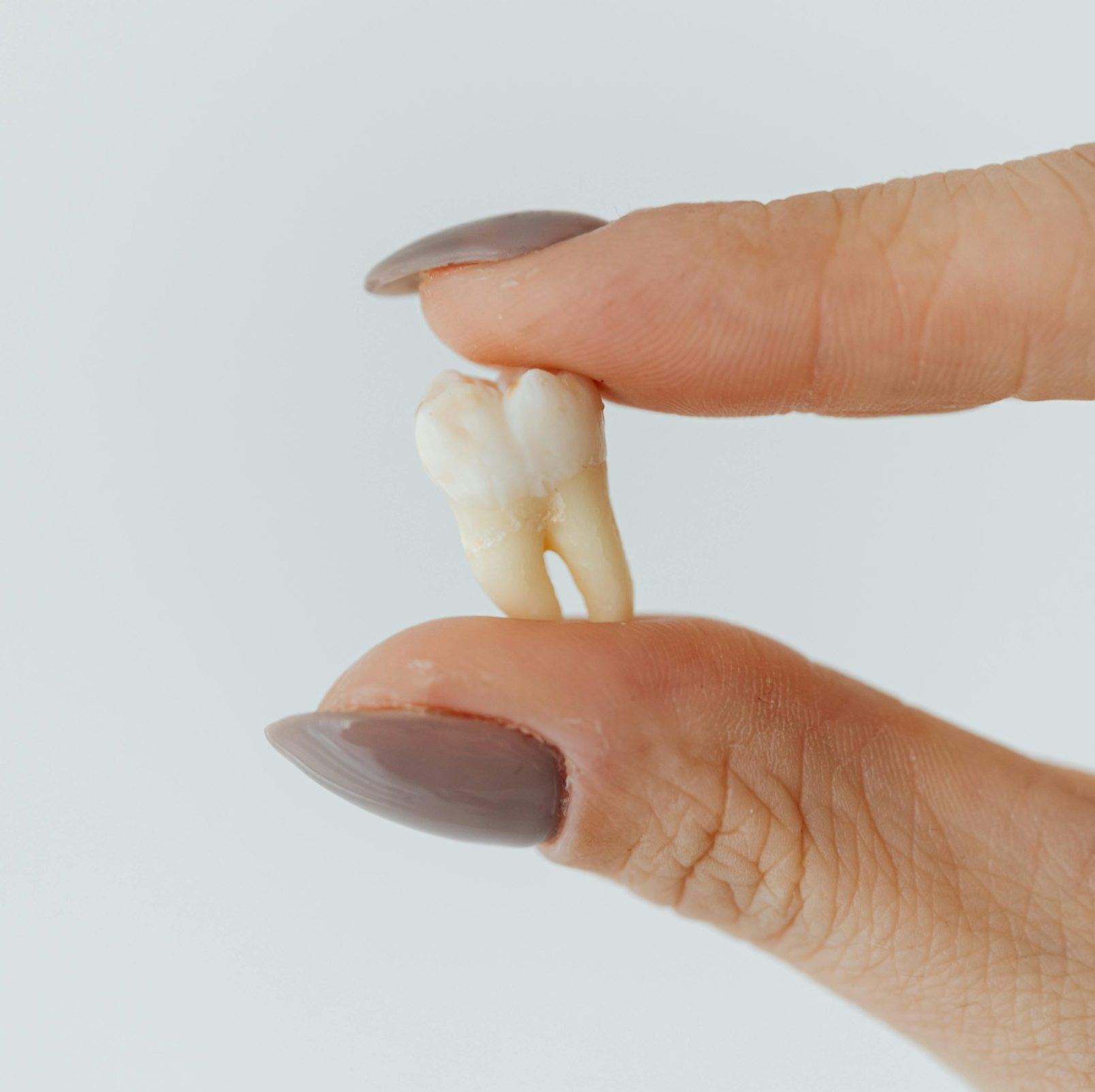
What Is a Tooth Fracture?
A tooth fracture is a crack or break in a tooth that can range from a minor chip to a severe break that extends deep into the tooth structure. Fractures can occur due to various reasons, including trauma, decay, or excessive wear and tear. Depending on the severity and location of the fracture, it can impact the appearance, function, and overall health of the tooth. In this blog post, we’ll discuss what a tooth fracture is, the different types of tooth fractures, and what you can do if you experience one.
Types of Tooth Fractures
Tooth fractures can vary in severity and location. Here are some common types:
- Craze Lines: These are tiny cracks that only affect the enamel, the outermost layer of the tooth. Craze lines are usually superficial and often require no treatment.
- Fractured Cusps: This type of fracture involves the cusps (the pointed tips) of the tooth. It often occurs when a tooth has a large filling. While fractured cusps may not cause much pain, they can leave the tooth vulnerable to further damage.
- Cracked Tooth: A cracked tooth is a more significant break that may extend from the crown (the visible part of the tooth) down toward the root. Cracked teeth can cause pain, particularly when chewing, and may require treatment to prevent further damage.
- Split Tooth: A split tooth occurs when a crack progresses, causing the tooth to split into two parts. This typically requires more extensive treatment and may even result in tooth extraction.
- Vertical Root Fracture: This type of fracture begins in the root of the tooth and may not be immediately visible. Vertical root fractures can lead to pain and infection and often require extraction of the tooth.
Causes of Tooth Fractures
Tooth fractures can occur due to various reasons, including:
- Trauma: Accidents such as falls, sports injuries, or blows to the face can cause tooth fractures.
- Biting Hard Objects: Chewing on hard objects like ice, hard candy, or pens can lead to fractures, especially if the tooth is already weakened.
- Tooth Decay: Decay weakens the tooth structure, making it more susceptible to fractures.
- Bruxism: Grinding or clenching your teeth, especially at night, can cause excessive pressure on the teeth and lead to fractures.
- Age and Wear: Over time, natural wear and tear can weaken teeth and make them more prone to fractures.
Signs of a Tooth Fracture
If you have a tooth fracture, you may experience one or more of the following symptoms:
- Sharp pain when biting or chewing.
- Sensitivity to hot or cold foods and drinks.
- Pain that comes and goes.
- Visible cracks or chips in the tooth.
- Swelling or tenderness around the affected tooth.
What to Do If You Have a Tooth Fracture
If you suspect you have a tooth fracture, it’s important to see your dentist as soon as possible for an evaluation. Your dentist will assess the severity of the fracture and recommend appropriate treatment. Depending on the type and extent of the fracture, treatment options may include:
- Dental Bonding: For minor fractures, your dentist may use a tooth-colored composite resin to repair the tooth.
- Dental Crown: A crown (cap) can be placed over a cracked or fractured tooth to restore its strength and function.
- Root Canal: If the fracture extends to the pulp (nerve) of the tooth, a root canal may be necessary to remove the infected tissue and save the tooth.
- Tooth Extraction: In severe cases, such as a split tooth or vertical root fracture, extraction may be the only option.
- Orthodontic Treatment: If bruxism is causing the fractures, your dentist may recommend a mouthguard to protect your teeth.
In conclusion, a tooth fracture can range from a minor inconvenience to a serious dental issue. Prompt treatment is essential to prevent further damage and maintain your oral health. If you suspect you have a tooth fracture, don’t hesitate to seek dental care.